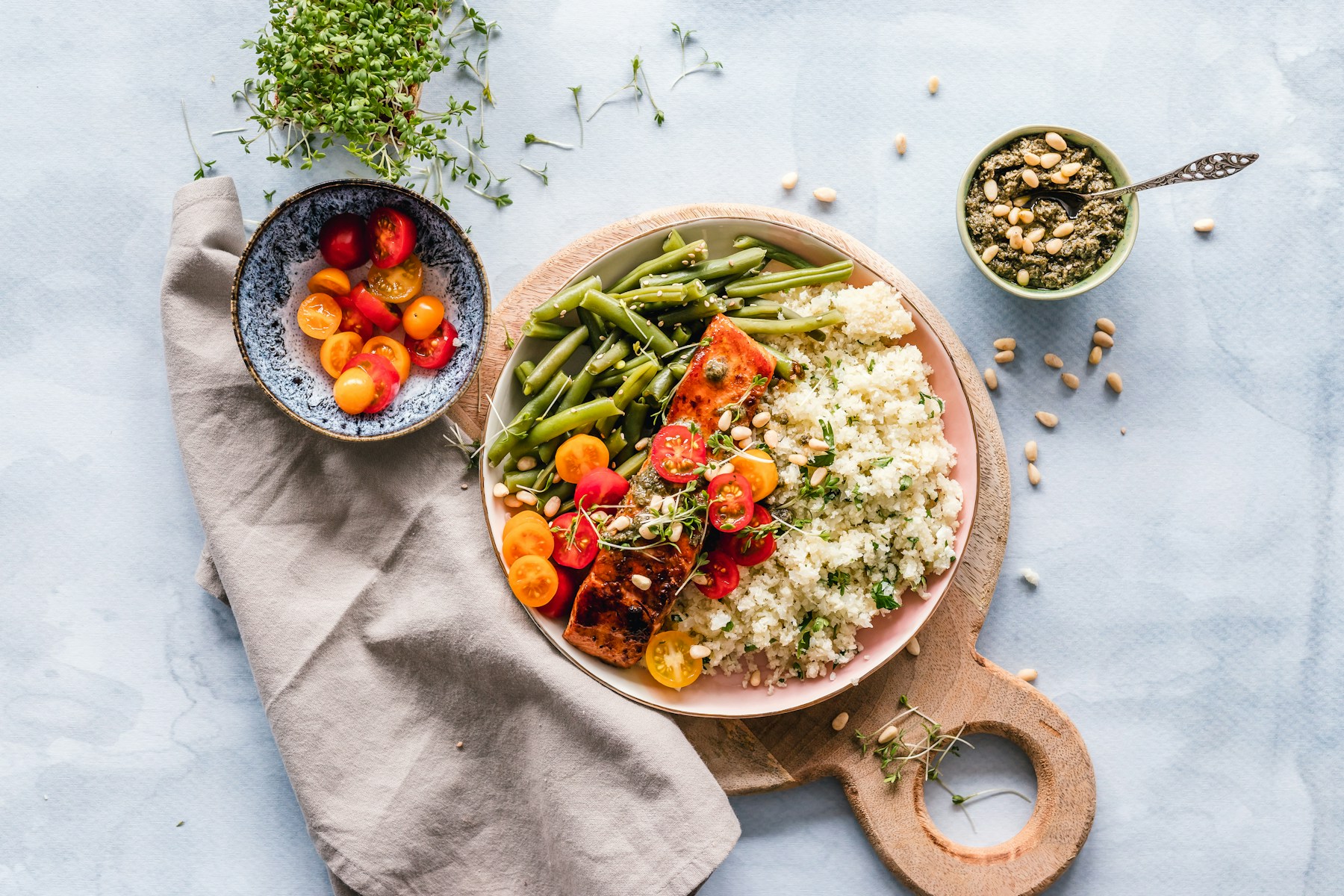
In the Nuoro province of Sardinia — the original Blue Zone, identified by demographer Gianni Pes in the 1990s — men reach 100 at rates five times the global average. They do this eating what the land provides: fava beans and other legumes, wild greens, root vegetables, and generous olive oil. The Sardinian version of minestrone is thicker than the Italian mainland version — nearly a stew — and served at most lunches. The Pecorino Romano grated over the top is the Sardinian contribution to what would otherwise be a fairly austere bowl of vegetables.
The Ingredients
- 400g (14oz)Canned or cooked fava beans — or cannellini beans
- 3 tbspExtra-virgin olive oil, plus more to finish
- 1 largeOnion, diced
- 3 clovesGarlic, thinly sliced
- 2 mediumPotatoes, peeled and diced
- 2 mediumCarrots, diced
- 2 stalksCelery, diced
- 1 mediumCourgette, diced
- 400g (14oz)Canned whole tomatoes, crushed
- 400gSwiss chard or cavolo nero, roughly chopped
- 1.5L (6 cups)Vegetable stock
- 2 sprigsFresh thyme or rosemary
- 60gPecorino Romano, grated — to serve
- To tasteSea salt and black pepper
How to Make It
Heat the olive oil in a large heavy pot over medium heat. Add the onion and a generous pinch of salt. Cook, stirring occasionally, for 8 minutes until completely soft and lightly golden. Add the garlic, carrots, and celery and cook for 3 more minutes.
Add the potatoes, courgette, thyme or rosemary sprigs, crushed tomatoes, and vegetable stock. Bring to a boil, then reduce to a steady simmer. Cook uncovered for 20 minutes until all the vegetables are completely tender.
Add the fava beans and chopped chard or cavolo nero. Continue simmering for 10–12 minutes until the greens are fully tender and the soup has thickened into a rich stew. Remove the herb sprigs.
Season with sea salt and black pepper — this soup needs salt. Ladle into deep bowls. Finish each bowl with a generous drizzle of your best raw olive oil and a heavy grating of Pecorino Romano. Serve with dense country bread.
Tips
- Fava beans: Fresh favas are seasonal and excellent. Canned favas are practical and nutritionally equivalent — drain and rinse. Cannellini or borlotti beans are the backup.
- Cavolo nero: Also called Tuscan kale or Lacinato kale. More tender than curly kale and traditional in Sardinian cooking. Roughly chop the leaves, removing the toughest stems.
- The Pecorino is essential: Sardinian Pecorino Romano is sharper and saltier than Parmigiano. The umami and salt it adds to the broth is part of the recipe — don't omit or substitute with mild cheese.
- Freezes beautifully: Make a double batch and freeze in portions. The soup actually improves after freezing and reheating as the flavours deepen.