Longevity science has exploded in the past decade — but beneath the noise of cold plunges, peptide stacks, and biohacking gadgets, a small set of fundamentals keeps surfacing in every serious study. Here's what actually moves the needle.

The conversation around living longer has never been louder — or more confusing. Scroll through any health account and you'll find breathless claims about NAD+ infusions, rapamycin protocols, and $40,000 blood-plasma treatments. Most of it is speculative at best. What the research consistently supports is far less glamorous, and far more actionable.

The following five pillars aren't a biohacking stack. They're the behaviours that epidemiological studies, randomised controlled trials, and the lived realities of the world's longest-lived populations keep pointing back to — decade after decade.

83
Average lifespan in Blue Zone communities — compared to 76 globally
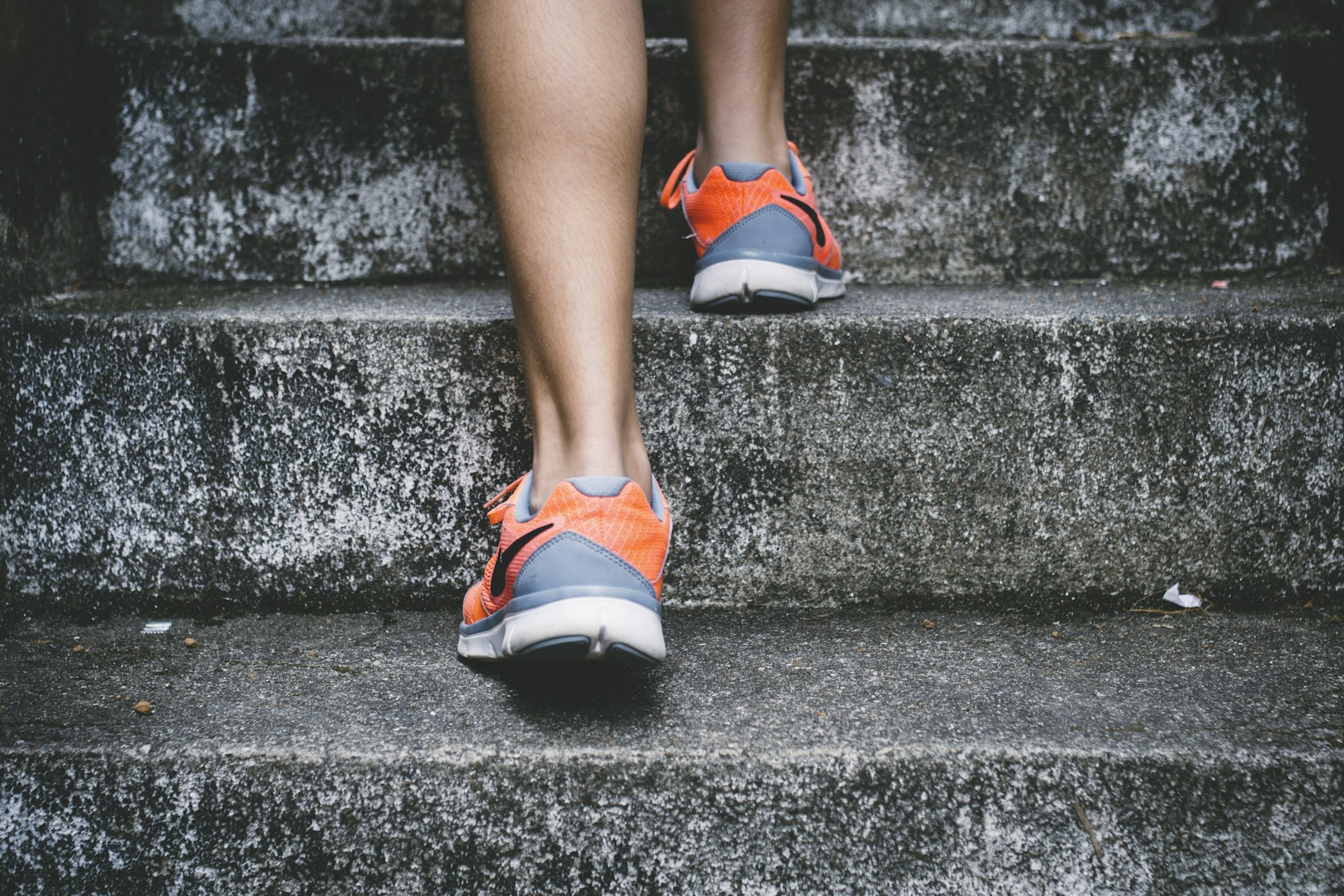
Athlete training outdoors — building longevity through movement
Movement as Medicine Photo: Unsplash

The Pillars

Pillar 01
Cardiorespiratory Fitness
VO₂ max — your body's maximum oxygen uptake — is arguably the single strongest predictor of all-cause mortality. A landmark 2018 study in JAMA Network Open found that low cardiorespiratory fitness carried a higher mortality risk than smoking, diabetes, or hypertension. The good news: it's highly trainable. Zone 2 training (a conversational pace, 150–180 minutes per week) is the most evidence-backed method for building your aerobic base.
Pillar 02
Muscle Mass & Strength
Sarcopenia — the age-related loss of muscle — begins as early as your 30s and accelerates sharply after 60. Beyond aesthetics, muscle is metabolically active tissue that improves insulin sensitivity, supports bone density, and protects against the falls that so often mark the beginning of functional decline. Two to three sessions of resistance training per week, focused on compound movements, is sufficient to meaningfully slow this process at any age.
Pillar 03
Sleep Architecture
Sleep is when the brain clears amyloid waste via the glymphatic system, when growth hormone peaks, and when cellular repair happens at scale. Chronic sleep restriction — even mild, at six hours per night — is associated with accelerated biological aging, increased inflammatory markers, and dramatically elevated cardiovascular risk. Seven to nine hours is the target. Consistent sleep and wake times matter as much as duration.
Pillar 04
Metabolic Health
An estimated 93% of American adults are metabolically unhealthy by at least one marker. Fasting blood glucose, insulin sensitivity, triglycerides, waist circumference, and blood pressure together paint a picture of your metabolic age — which can diverge significantly from your chronological age. Dietary patterns that prioritise whole foods, limit ultra-processed carbohydrates, and include adequate protein are consistently supported by the evidence.
Pillar 05
Social Connection & Purpose
The Harvard Study of Adult Development — one of the longest-running studies on human happiness and health — concluded after 80 years that the quality of relationships is the single strongest predictor of late-life wellbeing. Loneliness elevates cortisol, disrupts sleep, and drives inflammatory pathways linked to heart disease and cognitive decline. A sense of purpose (what the Japanese call ikigai) is independently associated with reduced mortality risk.
"The goal is not simply to extend lifespan, but to compress morbidity — to live well until very near the end." — Dr. Peter Attia, longevity physician and author of Outlive

Person meditating at sunrise — stillness and connection as longevity pillars
Stillness & Connection Photo: Unsplash

Where to Start

The instinct when confronted with a list like this is to try everything at once — to overhaul sleep, diet, training, and social life simultaneously. This rarely works. The evidence on behaviour change consistently shows that anchoring one habit at a time, and building from small wins, outperforms wholesale lifestyle overhauls.

If you're starting from scratch, cardiorespiratory fitness is the highest-leverage entry point. A brisk 30-minute walk five days a week is already in the top quartile of physical activity for most Western populations — and the mortality benefit curve is steep at the bottom. You don't need to be an athlete. You just need to move consistently, and a little harder than feels fully comfortable.

From there, sleep is the force multiplier. Nothing else you do — not supplements, not cold exposure, not time-restricted eating — compensates for chronic sleep deprivation. Fix sleep first, and everything else improves.

Key Takeaways

  • VO₂ max is the strongest single predictor of longevity — and it's trainable at any age through consistent Zone 2 cardio.
  • Resistance training twice a week meaningfully slows age-related muscle loss and improves metabolic health.
  • Seven to nine hours of sleep is non-negotiable. Consistency of timing matters as much as total duration.
  • Metabolic health — blood glucose, insulin sensitivity, blood pressure — is a more accurate measure of biological age than the calendar.
  • Strong relationships and a sense of purpose are not soft metrics. They're independently associated with reduced mortality.