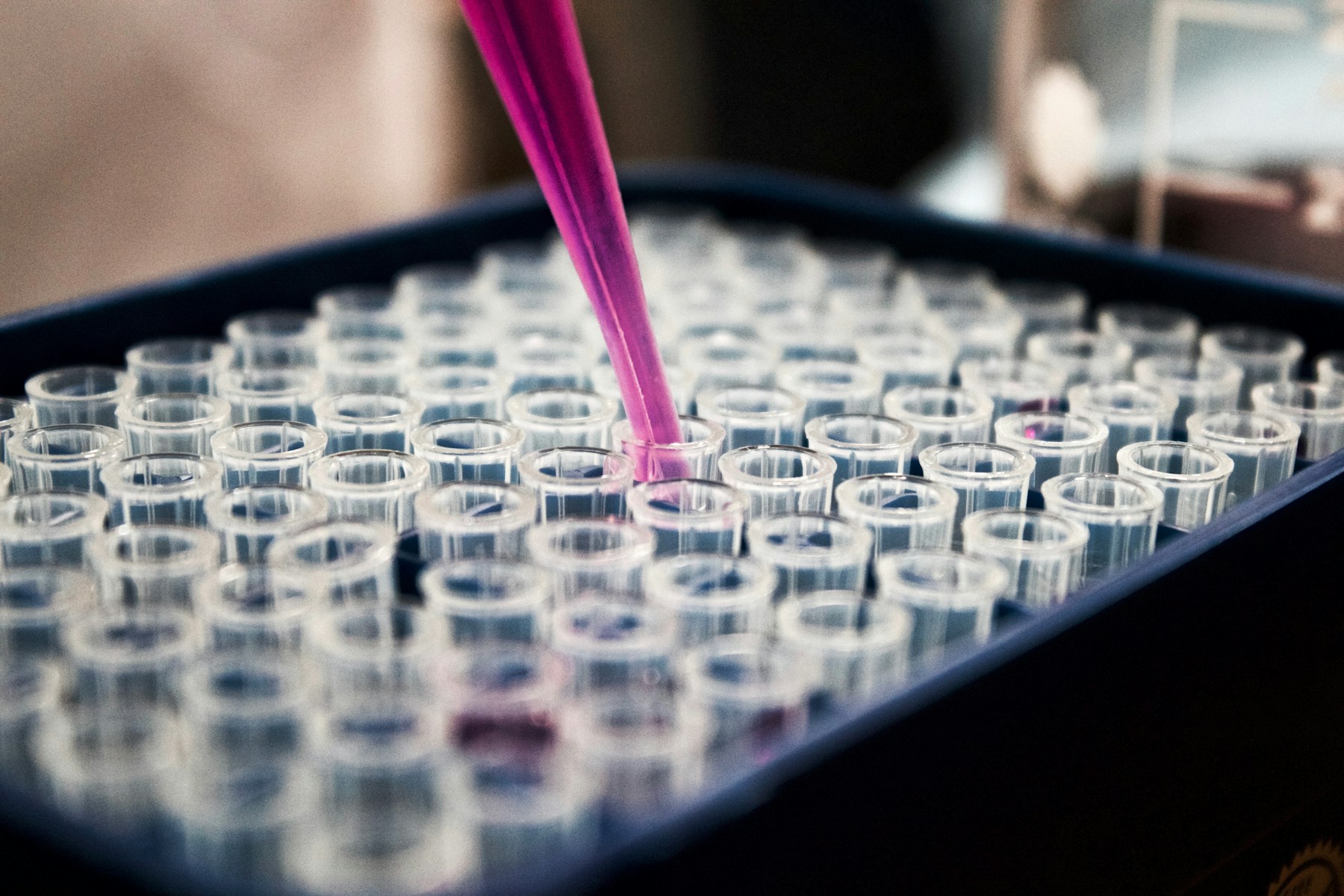
Peptides have gone from fringe biohacker territory to mainstream men's health in the span of two years. The conversation is everywhere — Joe Rogan, Peter Attia, wellness clinics, gym locker rooms. What does the science actually say? And what does every man need to understand before considering them?
Few topics in men's health are moving as fast as peptide therapy. U.S. customs data shows imports of peptide compounds hit $328 million in the first three quarters of 2025 — double the same period the year before. At the same time, the FDA has been cracking down on compounding pharmacies, the regulatory landscape is shifting weekly, and the research is lagging dramatically behind the hype.
This guide cuts through both the breathless optimism of wellness influencers and the blanket dismissiveness of some mainstream media. The goal is a clear-eyed look at what peptides are, which ones have credible evidence behind them, what the legal picture looks like in 2026, and — critically — what men need to understand about the risks before making any decisions.
⚕ Medical Disclaimer
This article is for informational purposes only and does not constitute medical advice. Many peptides discussed here are not FDA-approved for human use, are available only by prescription, or exist in a legal grey area. Always consult a qualified physician before starting any peptide therapy. Do not purchase or self-administer peptides sold as "research chemicals" without medical supervision.
What Are Peptides?
Peptides are short chains of amino acids — the same building blocks that make up proteins. The difference is size: proteins are long chains of hundreds or thousands of amino acids; peptides are typically between 2 and 50. Your body already produces thousands of them. Insulin is a peptide. So are many hormones, neurotransmitters, and signalling molecules that regulate virtually every biological process.
What makes synthetic peptides interesting from a health perspective is precision. Because a peptide's function is largely determined by its amino acid sequence, researchers can theoretically design short chains that target specific biological pathways — stimulating growth hormone release, accelerating tissue repair, modulating inflammation — with fewer systemic side effects than traditional drugs.
The word "theoretically" is doing significant work in that sentence. The mechanism is sound. The question — which is where the honest conversation has to start — is whether the clinical evidence in humans supports the specific claims being made about each compound.
The Spectrum of Evidence
Not all peptides are equal in terms of research maturity. Some (like the GLP-1s Ozempic and Wegovy) are fully FDA-approved with thousands of human trials behind them. Others (like sermorelin) have older approval histories with prescription access. Many of the most-discussed compounds in men's health circles — BPC-157, TB-500, CJC-1295 — are primarily backed by animal studies and clinical anecdote. This guide is explicit about where each peptide sits on that spectrum.
Why Men Are Particularly Interested
Growth hormone declines by roughly 14% per decade after age 30. By the time a man reaches 50, his GH levels may be 50% of what they were at 25. This natural decline is associated with increased body fat (particularly visceral abdominal fat), reduced lean muscle mass, lower energy, impaired sleep quality, and diminished recovery from exercise — essentially the catalogue of complaints that bring men to men's health clinics in their 40s.
This is the core appeal of a category of peptides called growth hormone secretagogues — compounds that stimulate the pituitary gland to release more of the body's own growth hormone, rather than introducing synthetic GH directly. The argument is that this approach is more physiological, more targeted, and carries fewer risks than exogenous growth hormone administration.
The appeal extends beyond growth hormone. Men dealing with sports injuries are drawn to healing peptides like BPC-157. Men experiencing cognitive decline are interested in nootropic peptides. And the broader longevity community has latched onto peptides as one of the most exciting frontiers in the field — even as serious researchers urge significant caution.

The Key Peptides, Reviewed
Below is an honest breakdown of the most discussed peptides in men's health — assessed on human evidence quality, known benefits, risks, and legal status as of early 2026.
- Improved sleep quality — particularly deep sleep stages where GH is naturally released
- Gradual, sustainable improvements in body composition vs. synthetic GH
- Better workout recovery and reduced DOMS
- Improved skin quality and reduced visceral fat in longer-term users
- Well-tolerated at prescribed doses — decades of clinical history
- Requires prescription and physician monitoring — not available OTC
- Effects are gradual — this is not an overnight compound
- Compounded formulations vary in quality — source from reputable pharmacies only
- Not appropriate if you have active cancer or pituitary disease
- Significant improvements in sleep quality — most users report deeper, more restorative sleep within weeks
- Gradual lean muscle gains and improved fat metabolism over 3–6 month cycles
- Improved recovery from training — reduced soreness, faster tissue repair
- Increased energy and vitality — particularly notable after 40
- Cleaner hormonal profile than older GHRPs — minimal cortisol or prolactin elevation
- Currently under FDA review — compounding was suspended then moved off the banned list; status is evolving
- Water retention and temporary joint discomfort at higher doses
- Elevated IGF-1 — should be monitored via bloodwork during use
- Only obtain through a licensed physician and compounding pharmacy — not from online research chemical vendors
- Extraordinary animal evidence for tendon, ligament, and gut healing
- Anecdotally reported to dramatically accelerate injury recovery
- Anti-inflammatory effects in multiple tissue types
- Gut-protective properties — potentially useful for IBD and gut permeability
- Fully banned by the FDA — compounding pharmacies cannot produce it legally
- Banned by WADA — competitive athletes face suspension
- The angiogenesis mechanism theoretically risks promoting precancerous cell growth — unquantified in humans
- Online sources are largely unregulated — 8% of tested samples have shown endotoxin contamination
- No established safe dose or treatment duration in humans
- Strong animal evidence for systemic tissue repair — muscle, tendon, cardiac
- Anti-inflammatory effects in multiple tissue types
- Promotes cell migration critical for wound healing
- Often reported to improve flexibility and reduce chronic joint pain
- No human clinical trials — the evidence base is almost entirely animal
- No FDA approval, no established safe dose in humans
- Banned by WADA for competitive athletes
- Unregulated online sourcing creates significant contamination risk
- Well-documented collagen synthesis stimulation — among the best-evidenced cosmetic peptides
- Improved wound healing — used in medical-grade wound care products
- Anti-inflammatory and antioxidant effects at the cellular level
- Excellent topical safety profile — decades of cosmetic use
- Injectable GHK-Cu has limited human safety data — topical use is much better supported
- Claimed systemic anti-aging effects at injectable doses lack robust human evidence
- Topical absorption is limited — systemic effects from skincare products are minimal
"Peptides is a broad umbrella that includes everything from well-studied FDA-approved therapies to experimental compounds marketed for anti-aging with limited human data." — Brad Younggren, MD, CEO of Circulate Health, speaking to The Advisory Board, 2026
Legal Status in 2026
The legal landscape for peptides in the United States is genuinely complex and shifting rapidly. The FDA has been tightening regulations on compounding pharmacies while simultaneously facing political pressure to loosen restrictions. Here is the current state as of early 2026.
| Peptide | US Legal Status | How to Access Legally |
|---|---|---|
| Sermorelin | Legal by Rx | Prescription from a physician, compounded at a licensed pharmacy |
| CJC-1295 / Ipamorelin | Under Review | Removed from FDA banned compounding list Sept 2024 — status evolving; currently accessible through some clinics pending further review |
| BPC-157 | FDA Banned | Prohibited for compounding; available only as "research chemical" — not for human use. WADA banned for athletes. |
| TB-500 | Not Approved | No FDA approval; sold as research chemical only. WADA banned. |
| GHK-Cu (topical) | Legal OTC | Available in cosmetic products without prescription |
| Tesamorelin | FDA Approved | Approved for HIV-related lipodystrophy; off-label use requires prescription |
| Collagen Peptides | Legal OTC | Available as dietary supplements — no prescription required |
A notable development: in late 2025, RFK Jr. announced on the Joe Rogan podcast that approximately 14 of the 19 peptides on the FDA's compounding ban list are expected to be moved back to Category 1, potentially making them legal to compound again. This is a politically driven regulatory shift that is still working its way through the system. The practical implication is that the landscape may look meaningfully different by mid-2026 — but as of now, the table above represents the current legal reality.
Real Risks to Understand
The risks of peptide therapy fall into two distinct categories: the risks of the compounds themselves, and the risks of the sourcing environment. Both deserve serious attention.
Compound Risks
The GH-stimulating peptides (sermorelin, CJC-1295/ipamorelin) carry risks associated with elevated GH and IGF-1: water retention, joint discomfort, temporary insulin resistance at higher doses, and — the most serious concern — the theoretical relationship between elevated IGF-1 and cancer risk. Animal studies consistently show that lower GH and IGF-1 levels are associated with longer lifespans. This is a genuine scientific tension that proponents of GH-stimulating peptides don't always acknowledge. Regular bloodwork monitoring is not optional — it is essential.
BPC-157's primary theoretical risk is the angiogenesis mechanism that makes it so appealing for healing. Accelerated blood vessel formation could, in principle, support the growth of precancerous lesions. This risk has not been quantified in humans — but the absence of evidence of harm is not evidence of absence of harm.
Sourcing Risks
This is where the danger for most men lies. Independent testing of peptides purchased online as "research chemicals" has found that a meaningful percentage of samples contain bacterial endotoxins — compounds that can cause fever, chills, and at higher levels, septic shock. In 2025, two women were hospitalised and placed on ventilators after receiving peptide injections at a longevity conference in Las Vegas. Both survived; the exact cause was not determined. Most peptides sold online come from Chinese manufacturers with inconsistent quality controls. U.S. Senator Tom Cotton urged the FDA in early 2026 to crack down on illegal peptide imports.
⚠ The Sourcing Rule
If you cannot verify the exact manufacturing facility, third-party purity testing, and sterility certification of a peptide product, do not inject it. Full stop. The underground market for peptides is genuinely dangerous — not because the compounds are necessarily toxic, but because what arrives in those vials may not be what the label says, and may contain contaminants that cause serious harm. Work with a licensed physician and obtain compounds through a licensed compounding pharmacy.
How to Work With a Doctor
If you're interested in exploring peptide therapy, the right path is through a physician — ideally one specialising in men's health, hormone therapy, or longevity medicine. This is not a bureaucratic formality. It is genuinely important for several reasons: proper baseline testing, appropriate compound selection for your specific situation, access to pharmaceutical-grade compounded peptides (rather than research chemicals), and ongoing monitoring of the markers that matter.
What a good physician consultation should include before starting any peptide therapy: comprehensive bloodwork (testosterone, IGF-1, fasting insulin, full metabolic panel, complete blood count), a conversation about your specific goals and health history, a discussion of which compounds are most appropriate and legally accessible, and a monitoring plan including periodic re-testing of key markers.
Telehealth men's health platforms have made this more accessible than it has ever been. Hims & Hers confirmed in February 2026 that they are actively developing a peptide product line. Defy Medical, Marek Health, and various concierge longevity practices offer peptide protocols under physician supervision. The cost is real — but so is the risk of going it alone.

The Bottom Line
Peptides represent one of the most genuinely interesting frontiers in men's health — and one of the most overhyped. The gap between what the animal research suggests and what we know from rigorous human trials is enormous for most of the compounds that generate the most excitement. That gap may narrow significantly over the next few years as the regulatory environment shifts and clinical research catches up with popular interest.
For men who want to explore this space today, the sensible hierarchy looks like this: start with sermorelin if you're interested in GH optimisation — it has the best evidence base, the longest clinical history, and is legally accessible by prescription. The CJC-1295/Ipamorelin combination is the next step, offered at many reputable men's health clinics under physician supervision. Leave BPC-157 and TB-500 alone until the human evidence arrives — the animal science is fascinating, the human science isn't there yet, and the sourcing risks are real.
And regardless of what you decide about peptides: the fundamentals matter more. VO₂ max, sleep, strength training, metabolic health, diet quality — these are the interventions with the deepest evidence base in the longest-lived populations. Peptides, at best, are an adjunct to that foundation. They are not a shortcut past it.
Key Takeaways
- Peptides are short amino acid chains that act as biological messengers. The body produces thousands naturally; synthetic versions aim to target specific pathways with precision.
- Men's interest is primarily driven by age-related GH decline — roughly 14% per decade after 30 — and the physical consequences that follow.
- Sermorelin has the strongest evidence base and is legally accessible by prescription. It's the best starting point for men interested in GH optimisation.
- CJC-1295 + Ipamorelin is the most popular clinical combination — significant anecdotal support, moderate human evidence, evolving legal status in 2026.
- BPC-157 is FDA-banned for compounding, WADA-banned for athletes, and backed almost entirely by animal studies. The theoretical cancer risk from angiogenesis is unquantified in humans.
- Sourcing is where most of the real danger lies — contaminated research chemicals from unregulated online vendors, not the compounds themselves.
- Always work with a licensed physician. Get baseline bloodwork. Monitor IGF-1 and metabolic markers during any GH-stimulating protocol. Do not self-administer without medical supervision.
- Peptides are an adjunct to — not a replacement for — sleep, resistance training, Zone 2 cardio, and whole food nutrition.