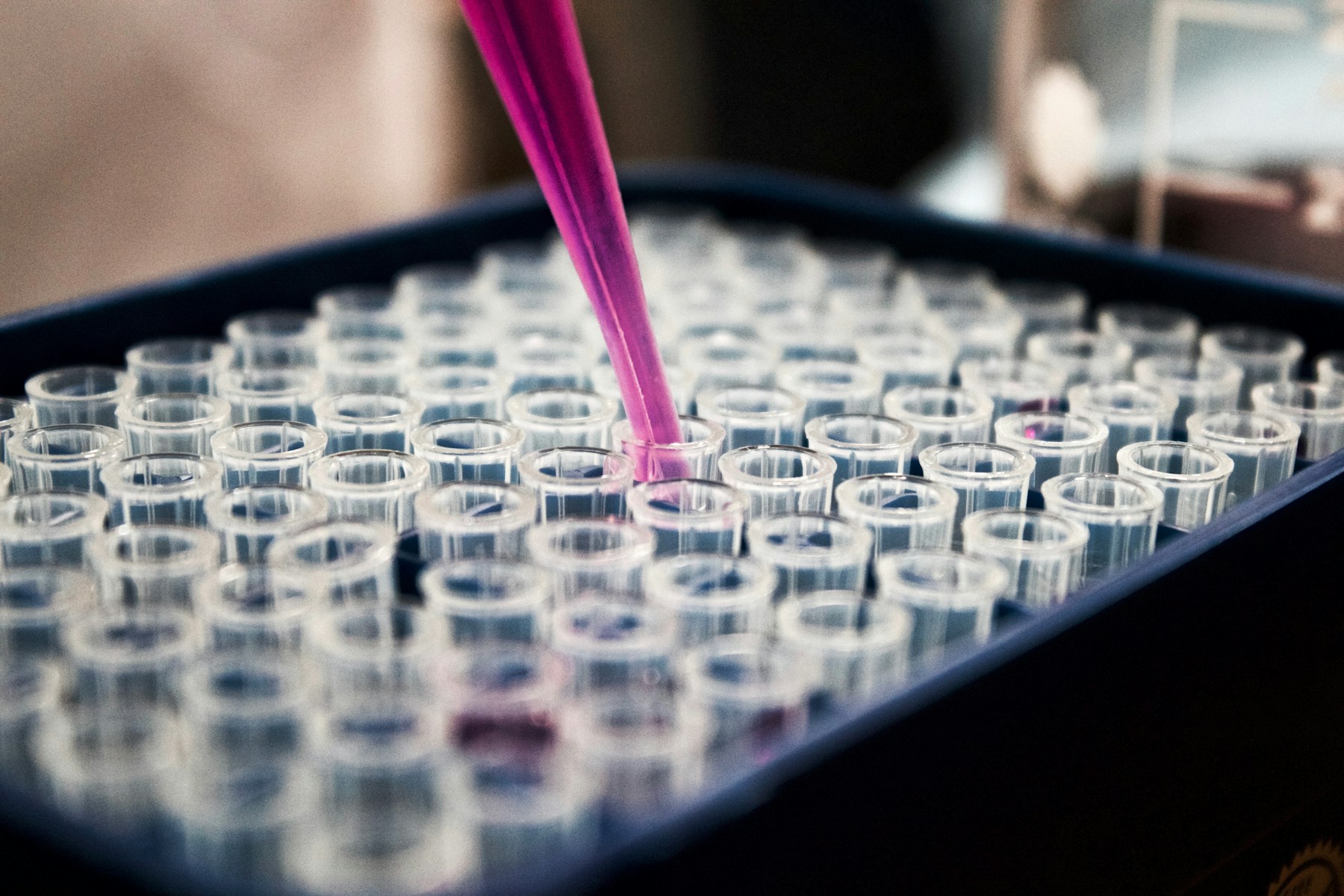
NAD+ — nicotinamide adenine dinucleotide — is the molecule at the centre of longevity research right now. It drives energy metabolism, DNA repair, and cellular communication. It declines sharply with age. And the supplement industry has built a $1 billion+ market around three compounds that claim to restore it: NMN, NR, and niacin. Here's what a 2026 clinical trial found.
NAD+ cannot be taken directly as a supplement — the molecule is too large to cross cell membranes effectively and is broken down in digestion before it can be absorbed. What you can supplement are its precursors: molecules that your cells convert into NAD+ through various metabolic pathways. The three most commercially prominent are nicotinamide mononucleotide (NMN), nicotinamide riboside (NR), and niacin (vitamin B3).
The Landmark 2026 Trial
A January 2026 randomised, open-label, placebo-controlled study published in Nature Metabolism enrolled 65 healthy participants and tested 14 days of supplementation with NR, NMN, and nicotinamide (Nam). The headline finding: NR and NMN, but not Nam, comparably increased circulatory NAD+ concentrations in healthy adults. The difference between NMN and NR was not clinically significant.
This is important because the supplement industry has spent considerable marketing budget arguing that NMN is superior to NR (or vice versa). The 2026 trial — the first direct head-to-head human comparison — found that both work similarly. What differs is the pathway: NMN must first convert to NR to cross cell membranes, meaning NR enters cells more directly. In practice, both raise blood NAD+ to a comparable degree at standard doses.
A companion study in Science Advances (2025) found something even more interesting: much of the orally administered NMN and NR undergoes gut microbiota-mediated conversion to nicotinic acid (NA) before being absorbed — meaning both precursors may partly work through the same niacin pathway anyway. The metabolic pathways are more interconnected than the marketing implies.
The Three Precursors
NMN (Nicotinamide Mononucleotide)
A direct NAD+ precursor one step closer to NAD+ in the biosynthetic pathway than NR. Popular in longevity circles following David Sinclair's advocacy. Standard doses: 250–500mg daily. Does not cause the flushing associated with niacin. The 2026 Nature Metabolism trial confirmed it raises blood NAD+ effectively. Expensive relative to NR and niacin. Most of the dramatic results (extended lifespan, reversed aging markers) come from mouse studies — human longevity data is still very early.
NR (Nicotinamide Riboside)
Has the most extensive human clinical trial record of the two premium precursors. Backed by multiple randomised controlled trials showing meaningful increases in blood NAD+, improvements in mitochondrial function markers, and — most recently — a November 2025 RCT in eClinicalMedicine showing improved cognitive function and long-COVID symptom recovery at 2000mg/day. Does not cause flushing. The branded form Niagen® (ChromaDex) has the most validated human data. Cost sits between niacin and NMN. Standard doses: 250–500mg daily.
Niacin (Nicotinic Acid) & Niacinamide
The original vitamin B3 — cheap, widely available, and an NAD+ precursor through the Preiss-Handler pathway. The catch: effective doses of nicotinic acid cause significant skin flushing (redness, warmth, tingling) in most people. Niacinamide (nicotinamide) doesn't cause flushing but the 2026 Nature Metabolism trial showed it did not significantly raise circulating NAD+ compared to NMN and NR. A 2025 review in Nutrients found limited evidence that niacin alone meaningfully raises NAD+ for longevity purposes at doses most people tolerate. Best viewed as a foundational B3 supplement rather than a NAD+ strategy.

The Honest Bottom Line
The human evidence for NAD+ supplementation meaningfully extending lifespan or reversing aging in healthy adults is not yet established. The mouse data is compelling; the human data shows that NMN and NR do raise blood NAD+ levels — but whether that translates to the longevity outcomes seen in animal studies remains to be demonstrated in humans.
What is better established: NR has shown benefits in specific clinical populations (long-COVID cognitive impairment, Parkinson's disease, metabolic dysfunction). These are populations where NAD+ depletion is more extreme and the baseline for improvement is lower. For healthy adults in their 30s and 40s, the case for supplementation is more speculative — though the safety profiles of both NMN and NR are good.
Lifestyle factors raise NAD+ too — and cost nothing: regular exercise (especially high-intensity cardio), intermittent fasting, heat exposure (sauna), and reduced alcohol all support NAD+ biosynthesis. If you're not doing those first, no supplement will compensate.
Key Takeaways
- A January 2026 Nature Metabolism RCT — the first direct human comparison — found NMN and NR comparably raise blood NAD+. The efficacy difference between them is smaller than marketing claims.
- Niacinamide did not significantly raise circulating NAD+ in the same trial. Regular niacin causes flushing at effective doses. Neither is the optimal strategy for NAD+ support.
- NR has the longest human clinical trial record. NMN is widely used but has slightly less human data. Choose based on price and certification rather than claimed superiority.
- Gut microbiota convert much of both NMN and NR to nicotinic acid anyway — the metabolic pathways are more interconnected than the marketing suggests.
- Exercise, fasting, sauna, and reduced alcohol raise NAD+ through lifestyle — address these before adding a $60/month supplement.
- Third-party certification is essential — the supplement industry is inconsistent. NSF (Thorne) or Informed Sport (Momentous) certification is non-negotiable.