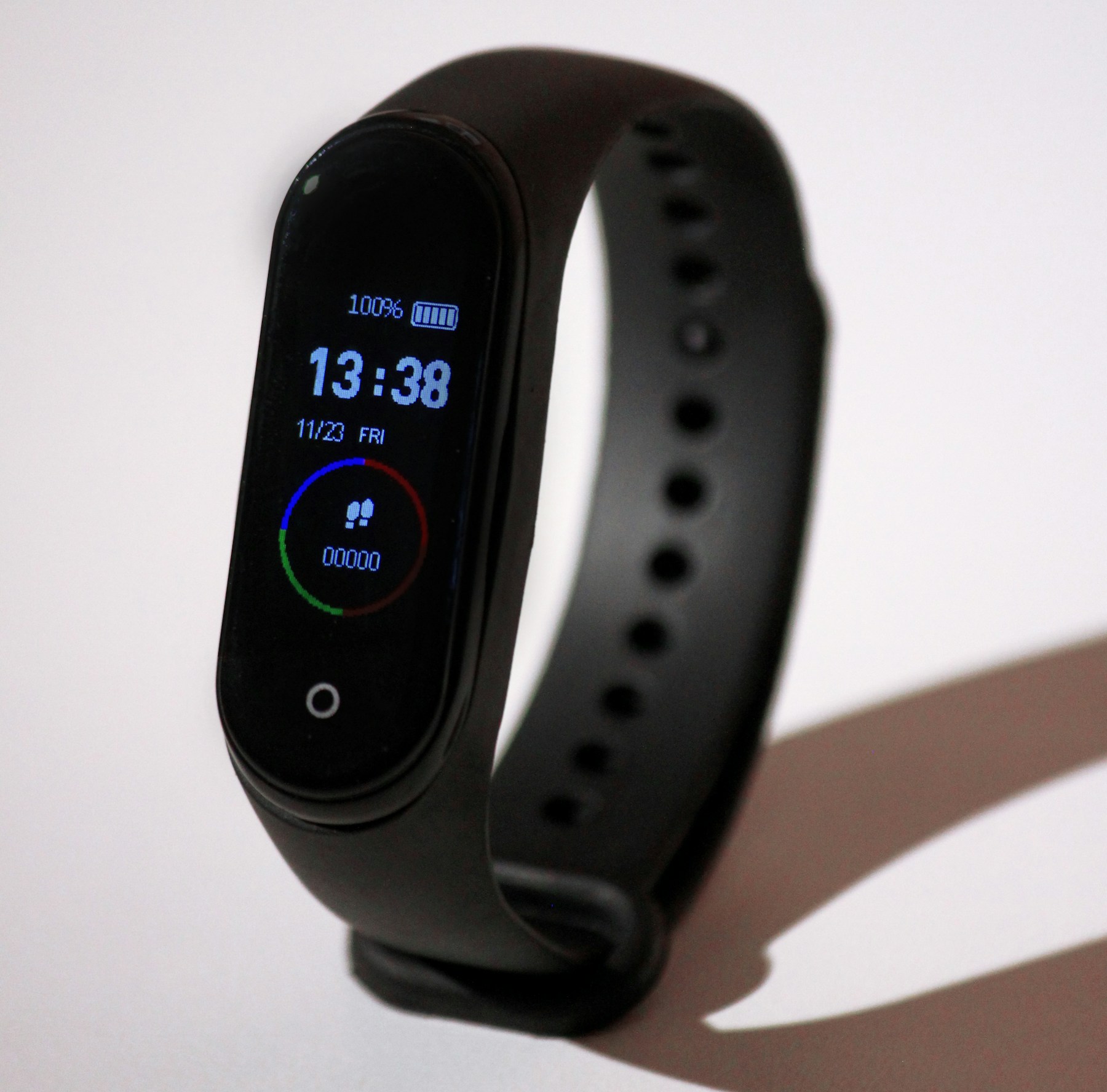
Three of the most popular wearables in health and fitness. One question: which one actually tracks your sleep most accurately — and is it the same device that's right for your lifestyle?
The wearable sleep tracker market has matured significantly. We now have clinical validation studies comparing consumer devices directly against polysomnography (PSG) — the gold-standard sleep lab measurement. The results clarify the picture considerably, and the hierarchy is not what some of the marketing suggests.
What the Science Says
A 2024 study at Brigham and Women's Hospital compared Oura Ring Gen3, Apple Watch Series 8, and Fitbit Sense 2 against polysomnography in 35 healthy adults. Oura Ring showed no significant difference from PSG in any sleep stage — wake, light, deep, or REM. Apple Watch significantly overestimated light sleep by approximately 45 minutes and underestimated deep sleep by approximately 43 minutes.
A separate 2025 independent validation study across 536 nights in 13 healthy adults found Oura Gen3 and Gen4 demonstrated the highest nocturnal HRV accuracy compared to ECG, with concordance correlation coefficients of 0.97 and 0.99 respectively. Whoop showed moderate HRV agreement (CCC = 0.94). For sleep staging specifically, ring-based sensors have a consistent advantage in studies due to the proximity of finger arteries, which reduces motion artifacts and improves signal quality.
Important Context
The Brigham and Women's Hospital sleep staging study was funded by Oura Ring Inc. and the lead author serves on Oura's medical advisory board. The independent 2025 HRV study was not industry-funded. Consider both sets of findings together when evaluating the evidence.
Head-to-Head Comparison
Pricing: The Real Cost
Hardware cost is only part of the picture. Whoop operates on a subscription model at approximately $30/month — that's $360/year ongoing, versus Oura's $5.99/month ($72/year). Over three years, Whoop costs roughly $1,080 in subscriptions alone against Oura's $216. Apple Watch has no ongoing subscription beyond the watch itself.
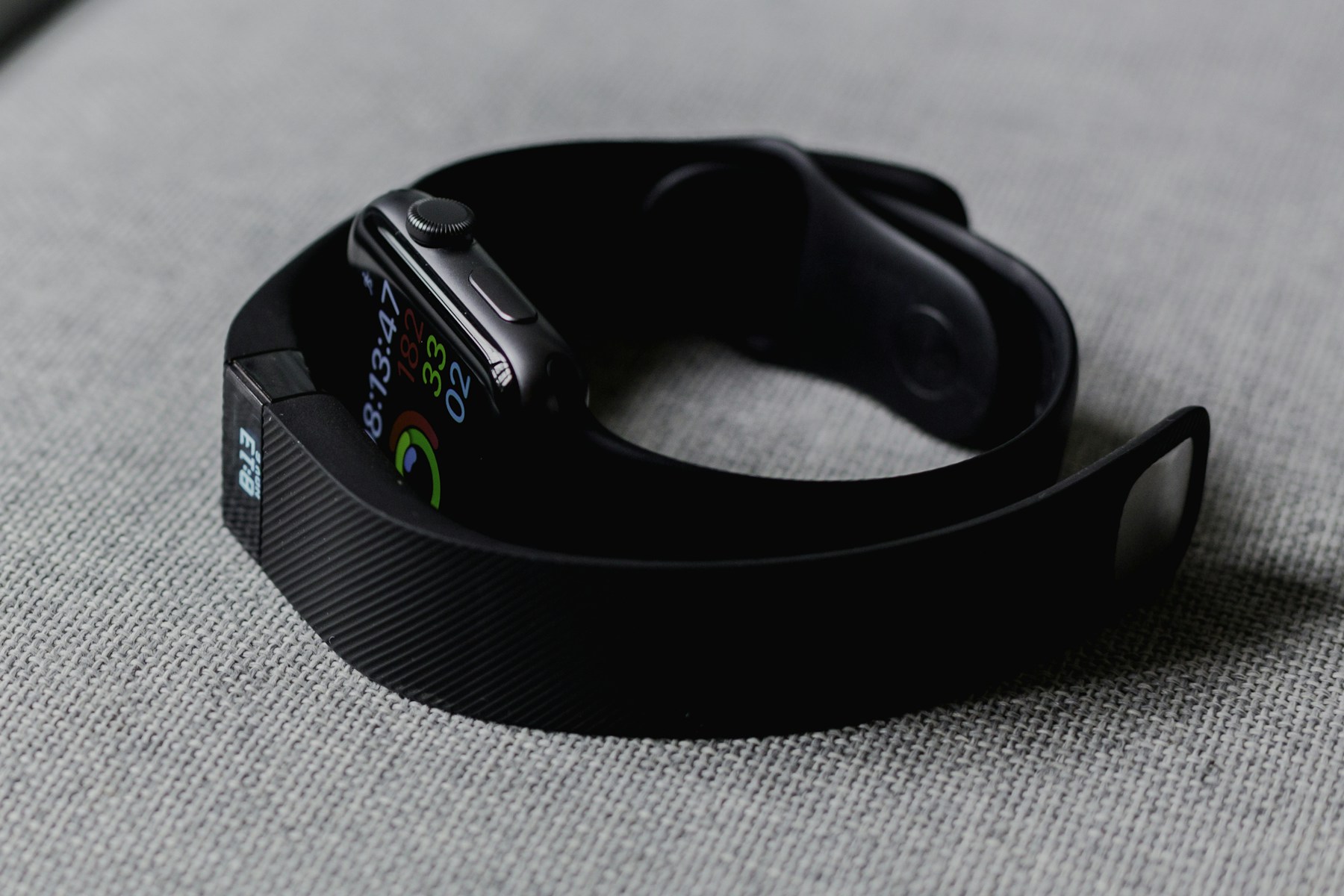
Which One Should You Buy?
Choose Oura Ring if: Sleep quality is your primary concern. You want the most clinically validated sleep staging data. You already own a phone or smartwatch and don't need another display. You want a discreet wearable you can forget you're wearing. The $5.99/month subscription is reasonable for the data quality you receive.
Choose Whoop if: You're a serious or high-volume athlete who wants a coach-like system for managing training load and recovery. The Strain/Recovery loop is uniquely motivating if you train consistently. You don't need smartwatch functionality. You're comfortable with the $30/month ongoing cost.
Choose Apple Watch if: You want one device that does everything — notifications, GPS, ECG, payments, and adequate health tracking — without carrying multiple devices. You're in the Apple ecosystem. Sleep tracking is one of many features you want, rather than the primary purpose. You prefer no ongoing subscription.
"Putting a device on your finger or wrist will not solve a sleep problem, but it can absolutely help you understand your sleep better. And that's typically the first step towards improving it." — Dr. Chris Winter, Neurologist and Sleep Specialist
The Bottom Line
- For pure sleep staging accuracy, Oura Ring leads based on 2024–2025 clinical validation studies — the ring form factor and finger arterial proximity give it a consistent advantage over wrist devices.
- Whoop 5.0 is better for athlete-focused users who want recovery coaching rather than sleep staging detail. The strain/recovery framework is uniquely useful for consistent high-volume training.
- Apple Watch Series 10 is the best all-around smartwatch but not the best dedicated sleep tracker — it overestimates light sleep and underestimates deep sleep in validation studies.
- Consider total cost over 3 years: Whoop subscriptions add up significantly. Oura's $5.99/month is more reasonable for the data quality delivered.
- None of these devices replace good sleep hygiene. They are tools for understanding your patterns — not solutions in themselves.